




The demand for Logistics to Iraq has increased significantly as the country continues to rebuild its economy and expand international trade partnerships. Companies shipping goods to Iraq must manage complex logistics processes, regulatory requirements, and transportation challenges. Effective logistics solutions ensure reliable delivery, cost control, and operational continuity for businesses serving the Iraqi market.
Understanding Logistics to Iraq
Logistics to Iraq refers to the planning, coordination, and execution of transporting goods from international origins to destinations within Iraq. This process involves multiple stages, including international freight transport, border procedures, customs clearance, warehousing, and final delivery.
Due to Iraq’s strategic location and evolving infrastructure, logistics operations require careful coordination to ensure efficiency and compliance. Understanding local logistics conditions is essential for successful shipments.
Key Transportation Routes for Logistics to Iraq
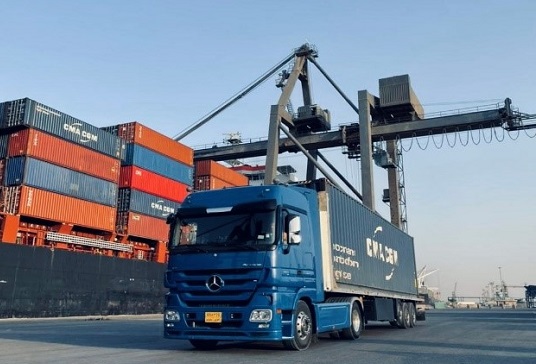
Logistics operations to Iraq rely on several major transportation routes. Land routes through neighboring countries play a dominant role, supporting high-volume cargo movement. Road transport is widely used for flexibility and direct access to Iraqi cities.
Sea freight is another critical component of Logistics to Iraq, particularly for large and bulk shipments. Cargo arriving by sea is transferred to inland transport networks for final distribution. Air freight supports time-sensitive and high-value shipments, offering faster transit times.
By combining different modes, logistics providers create multimodal solutions that balance cost, speed, and reliability.
Customs and Regulatory Considerations
Customs clearance is a central element of Logistics to Iraq. Importers must comply with Iraqi regulations related to documentation, classification, valuation, and inspection. Proper preparation of documents is essential to avoid delays and penalties.
Experienced logistics partners help manage regulatory requirements and coordinate with authorities to ensure smooth clearance. This expertise is especially valuable for businesses unfamiliar with Iraqi import regulations.
Warehousing and Distribution in Iraq
Warehousing plays a key role in Logistics to Iraq, enabling efficient storage and distribution of goods once they arrive in the country. Strategically located warehouses reduce lead times and support inventory management.
Distribution networks connect warehouses with end customers across Iraq. Reliable distribution ensures that goods reach markets efficiently, supporting retail, industrial, and construction sectors.
Industry-Specific Logistics to Iraq
Different industries have unique logistics requirements. Logistics to Iraq for construction and industrial projects often involves heavy equipment, oversized cargo, and complex delivery schedules. Retail and consumer goods logistics require high-volume distribution and reliable inventory control.
Oil and gas logistics demand specialized handling, safety compliance, and precise coordination. Logistics providers tailor solutions to meet these diverse industry needs.
Challenges in Logistics to Iraq
Despite improvements, Logistics to Iraq can present challenges such as infrastructure limitations, regulatory complexity, and coordination across borders. Security considerations and variable transit times also require proactive risk management.
Effective logistics planning and experienced partners help mitigate these challenges, ensuring consistent performance and predictable outcomes.
Role of Professional Logistics Providers
Professional logistics providers play a critical role in Logistics to Iraq by offering end-to-end solutions. These services include freight forwarding, customs clearance, warehousing, and final delivery.
By managing the entire logistics process, providers reduce complexity for clients and improve overall efficiency. Their local knowledge and operational experience are key advantages in the Iraqi market.
Technology and Visibility in Logistics to Iraq
Technology enhances Logistics to Iraq by providing real-time visibility and control. Tracking systems allow businesses to monitor shipments, manage exceptions, and improve planning.
Digital communication and documentation streamline coordination among stakeholders, reducing errors and delays. As technology adoption increases, logistics operations become more transparent and reliable.
Future Outlook for Logistics to Iraq
The future of Logistics to Iraq is closely linked to infrastructure development, trade growth, and regulatory modernization. As Iraq strengthens its role in regional supply chains, logistics services will continue to evolve.
Investment in technology, training, and infrastructure will further improve efficiency and reliability. These developments will support long-term trade growth and market integration.
Conclusion
In conclusion, Logistics to Iraq is a vital component of international trade and supply chain management. By understanding transportation routes, regulatory requirements, and local logistics conditions, businesses can achieve successful and compliant deliveries. With professional support and strategic planning, logistics to Iraq can become a reliable and competitive gateway to one of the region’s most dynamic markets.